
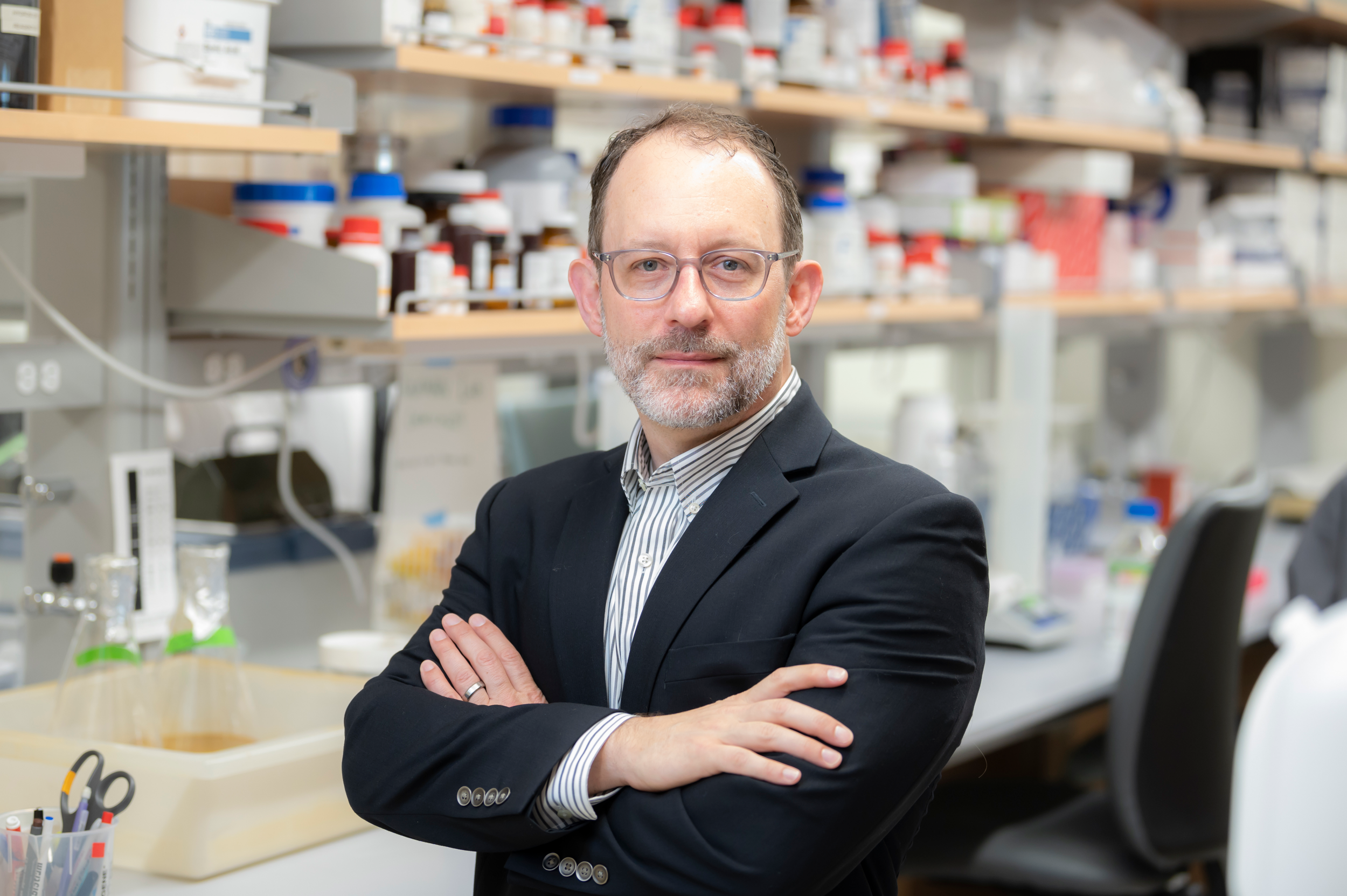
Brett A. Kaufman, PhD
Modeling mitochondrial disease mutations in cardiovascular systems.
My research program defines how mitochondrial genome structure, stability, and signaling govern tissue-specific function and dysfunction. My group established core principles of nucleoid biology, showing how TFAM compacts mitochondrial DNA (mtDNA) into nucleoids and uncovering the unexpected structural complexity of mammalian mtDNA. This work revealed how mtDNA is packaged, maintained, and destabilized under stress, and led to mechanisms by which mtDNA instability drives cardiometabolic and neurodevelopmental disease. My laboratory now applies these principles in human iPSC-derived tissues to determine how mitochondrial defects evolve into tissue-level failure, including cardiomyocyte dysfunction driven by mtDNA depletion and signaling pathways that shape neurodevelopment. I direct the Center for Metabolism and Mitochondrial Medicine (C3M) and chair the UMDF Scientific and Medical Advisory Board.

Adrian Lee, PhD
Dr. Adrian Lee is Professor of Pharmacology & Chemical Biology and Human Genetics at the University of Pittsburgh and UPMC Hillman Cancer Center. Dr Lee is the Pittsburgh Foundation Chair and Director of the Institute for Precision Medicine (IPM), a joint effort by the University of Pittsburgh and UPMC to move biomedical research into personalized well-being and clinical care. Dr. Lee received B.Sc. and Ph.D. degrees in England, and came to San Antonio, Texas for his postdoctoral studies. He was subsequently recruited to Baylor College of Medicine and to the University of Pittsburgh in 2010. Dr Lee has published over 200 peer reviewed research articles (google scholar H-index 76, >15,000 citations). Dr. Lee serves on numerous national peer-review committees and is on the Editorial Board of several journals. In 2018, Dr. Lee was awarded the Terri L Chapman award from Susan G. Komen, the PNC Elsie Hillman Distinguished Scholar award, and the University of Pittsburgh Biomedical Graduate Scholar Association (BGSA) Distinguished Mentor Award.
The Lee/Oesterreich lab is supported by funding from the NIH, Department of Defense, Susan G. Komen for the Cure, Breast Cancer Research Foundation, and other sources. The lab studies the molecular basis of breast cancer development and resistance to therapy, with the goal to improve precision medicine and outcomes for breast cancer patients. The laboratory employs a systems biology approach, utilizing a combination of single cell and bulk sequencing, computational methods, and biological models to identify and validate new drivers and therapeutic targets. Hypotheses are tested in vitro and in vivo and then moved to clinical trials. The majority of studies incorporate analysis of human specimens, in collaboration with a large network of clinicians and nurses. This includes computational analysis and modeling of large biomedical and genomic datasets including electronic health record data.

Jai Behari, MD, PhD
Dr. Behari is a Professor whose research investigates the role of intracellular signaling pathways in the pathogenesis of liver diseases. He is also interested in nonalcoholic fatty liver disease, alcoholic fatty liver disease and hepatocellular carcinoma.
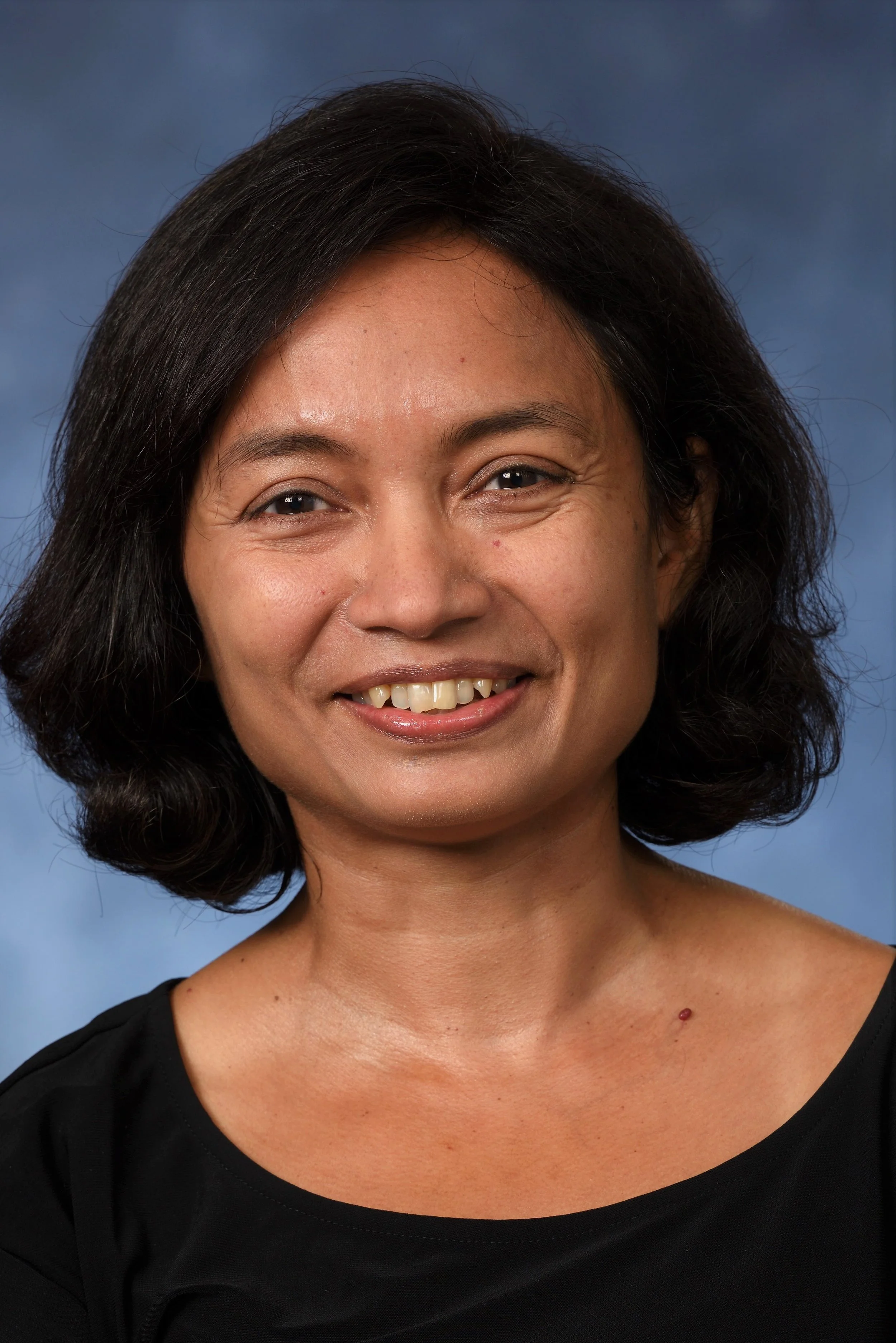
Ipsita Banerjee, PhD
Ipsita Banerjee is Professor in the Department of Chemical and Petroleum Engineering and Bioengineering at the University of Pittsburgh. Her lab engineers human tissue models at the interface of biomaterials, stem cell engineering, and computational biology. The group develops iPSC-derived islet and immune organoids and integrates them into microphysiological systems for metabolic and autoimmune disease modeling. In parallel, her group develops scalable methods to manufacture organoids at translational scale. Complementing this experimental work, the lab builds systems-biology models that track cell-signaling dynamics during differentiation and, more recently, AI models for label-free identification of cell phenotype. Together, these efforts aim to make tissue function a predictable outcome of engineering design.
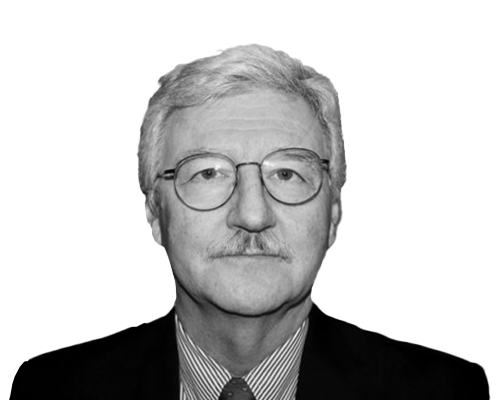
Mark Schurdak, PhD
Dr. Schurdak is a Research Associate Professor in the Department of Computational and Systems Biology at the University of Pittsburgh, and a core member of OPTIn. His talk will highlight the importance of reproducibility in the development and implementation of NAMs for precision medicine.
Dr. Schurdak`s research focus is in two main areas: 1) the qualification of the liver acinus microphysiological (LAMPS) platform as a drug development tool (DDT) with the FDA; and 2) the application of quantitative systems pharmacology (QSP) to understand the mechanisms of neurodegenerative disease progression and identify therapeutic strategies for traumatic brain injury (TBI), Huntington’s disease (HD), and Alzheimer’s disease (AD). He is a multi-PI of the Translational Center for Microphysiological Systems (Pitt-TraCe) leading the efforts to qualifying the LAMPS as a DTT for two contexts of use (CoU) to: 1) establish hepatic clearance of drug candidates in patients with metabolic dysfunction- associated steatotic liver disease (MASLD) to assist in the determination of drug candidate dosing in clinical trials when patients with MASLD are included; and 2) establish the hepatotoxicity of drug candidates in patients with MASLD to assist in the determination of drug candidate dosing in clinical trials when patients with MASLD are included. In a collaboration with Shaun Carlson in the Department of Neurological Surgery he is leading the effort in applying QSP to generate a dynamic network map of TBI progression induced by Controlled Cortical Impact (CCI) to examine the role of CME in TBI disease progression.

D. Lansing Taylor, PhD
Dr. Taylor is a distinguished professor at the University of Pittsburgh. His research focuses on integrating quantitative systems pharmacology (QSP) with human microphysiological systems (MPS)—such as organ-on-a-chip models—to enhance drug discovery, development, and diagnostics, particularly for complex diseases like metabolic dysfunction-associated steatotic liver disease (MASLD) type 2 diabetes, and various cancers
Dr. Taylor`s research interests have been rooted in understanding the temporal-spatial dynamics of signaling molecules and proteins in living cells, coupled to defining the mechanisms of fundamental cell functions such as cell division and cell migration. He has always integrated the development of new technologies in fluorescence-based reagents and light microscope imaging in order to improve the ability to define molecular events in cells and tissue models. His interests have evolved from single cell activities to understanding cellular population dynamics, including the biological basis for heterogeneity in response to perturbations such as drug treatments. He is also investigating populations of cancer cell models labeled with a panel of fluorescent probes of pathway nodes, organelle functions and cell health to measure, model and predict outcomes using computational and systems biology methods.
Dr. Taylor has pioneered the development of high-content imaging technologies and fluorescence-based biosensors to study cellular dynamics. His work emphasizes understanding cellular heterogeneity and modeling disease mechanisms to predict therapeutic responses. He has also contributed to reducing reliance on animal testing by advancing human cell-based models for drug toxicity and efficacy assessments.
Throughout his career, Dr. Taylor has founded several biotech companies, including Cellomics and Cernostics, to commercialize innovations in cell analysis and tissue diagnostics. His current initiatives involve developing patient-specific digital twins and biomimetic models to personalize medicine and improve clinical trial outcomes.